

From skills to impact: taking digital inclusion further in Senegal
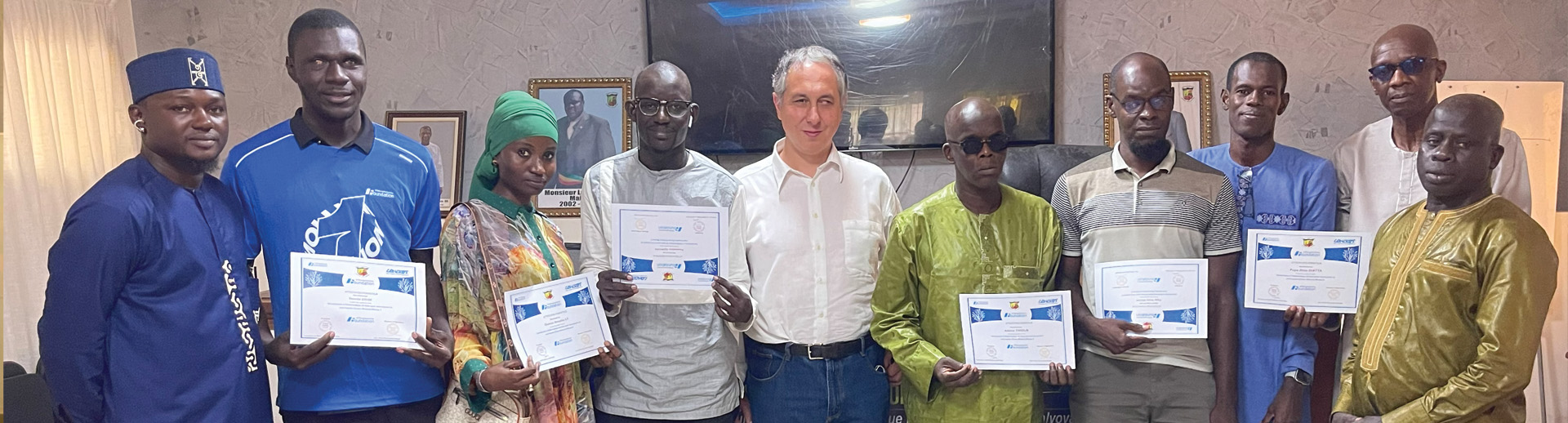
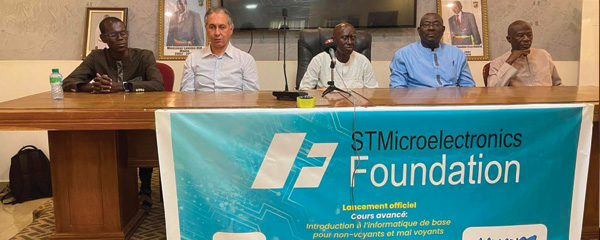
Earlier this year in March we launched the advanced level of its ICB4VI program in Senegal, marking a new step in its effort to strengthen digital autonomy for blind and visually impaired people.
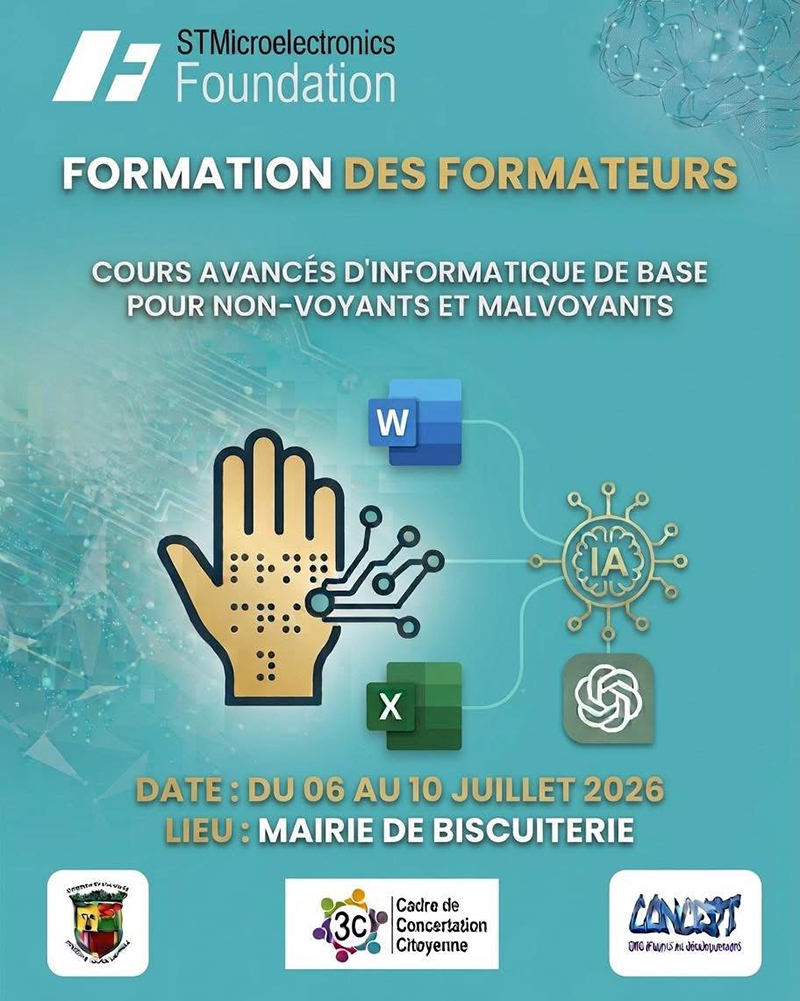
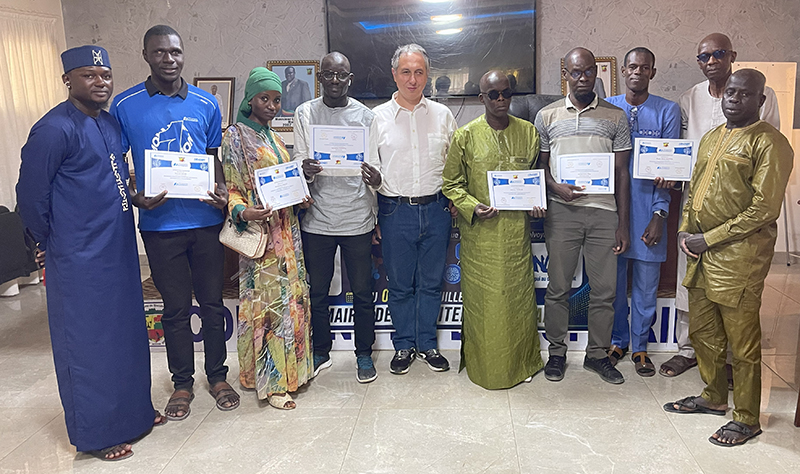 That commitment moved from planning to practice in early July, when a five-day Training of Trainers was held at the Commune de Biscuiterie in Dakar. There, trainers worked with Prof. Cristian Bernareggi and Sada Kane – our referent for ICBVI in Africa – to explore the new advanced curriculum and prepare to bring these skills into their communities.
Building on the foundations of ICB4VI, the advanced course focuses on tools with direct relevance to everyday and professional life: advanced Word and Excel, professional document creation, and the practical use of artificial intelligence.
 For Daouda Sidibé, originally from Kolda, this journey has been transformative. He once believed that some advanced technologies were out of reach, but today he uses digital tools in his work and trains other visually impaired people. His experience with artificial intelligence also changed his view of the technology: “I used to think that artificial intelligence would replace humans. Today, I understand that it can instead support us and strengthen our autonomy.”
For 28-year-old Fousseynou Djimeira, the impact was just as practical. Passionate about technology, he said advanced Excel now allows him to create invoices and manage financial operations more independently. One of the most memorable moments for him was meeting Prof. Bernareggi, who is also visually impaired and traveled from Italy to Senegal to share his expertise. “The fact that he is visually impaired and came from Italy to Senegal to share his experience deeply moved me. He is a true source of inspiration,” he said.
That sense of inspiration and possibility is central to the program’s wider value. Digital inclusion does not end with learning how to use technology. Its real impact emerges when skills build independence, independence creates new opportunities, and those who have learned are able to pass knowledge on to others.
The July Training of Trainers represented exactly this next step: strengthening a community of practice where skills can move from one person to another and continue to multiply.